If you’re struggling with foot pain, visiting an orthotic clinic in Barrie could be a vital step towards relief. Custom orthotics can make a significant difference in how you move and feel daily. Whether you’re dealing with heel pain, arch discomfort, or general fatigue in your feet, understanding how orthotics work and what to expect can help you make informed decisions about your foot health.
The Science Behind Custom Orthotics
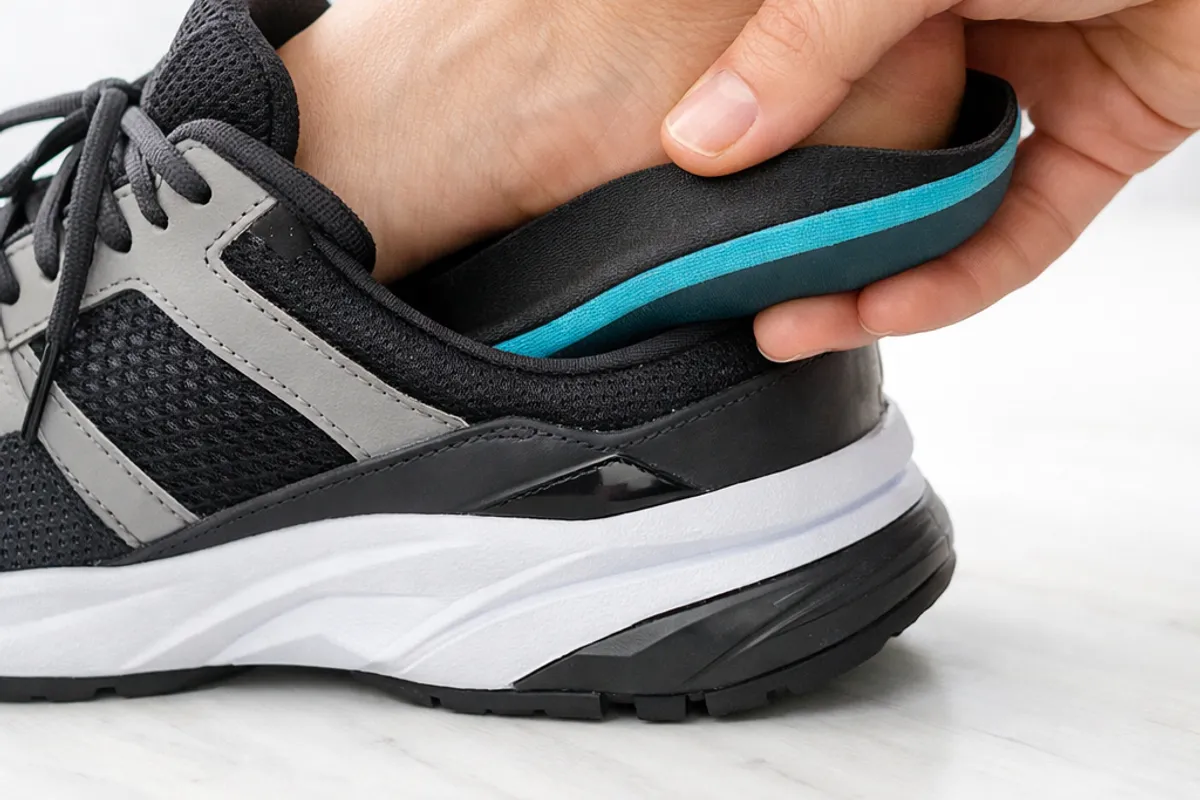
Custom orthotics are specially designed shoe inserts that provide support, alignment, and cushioning tailored to your unique foot structure. Unlike over-the-counter insoles, which offer general support, custom orthotics are crafted based on a thorough assessment of your feet and gait. This means they can address specific issues like plantar fasciitis, flat feet, or high arches.
The process typically begins with a detailed evaluation by a qualified professional. They will assess your foot mechanics, walking patterns, and any pain points you might have. From there, a mould of your foot is created, ensuring that the orthotics fit perfectly. This tailored approach not only alleviates discomfort but also helps prevent further complications down the line.
Common Foot Conditions Treated with Orthotics
Many individuals seek help for various foot-related issues, and custom orthotics can be particularly effective for several conditions. One common ailment is plantar fasciitis, characterized by sharp heel pain that often worsens in the morning. Custom inserts can provide the necessary arch support and cushioning to relieve this discomfort.
Other conditions that benefit from orthotic intervention include bunions, Achilles tendonitis, and general foot fatigue. By addressing the underlying biomechanical issues, custom orthotics can help improve overall mobility and quality of life. The goal is not just to relieve pain but to enhance your ability to participate in daily activities without discomfort.
The Process of Getting Custom Orthotics
When you decide to pursue custom orthotics, understanding the process can ease any concerns you might have. Typically, the journey starts with a consultation at a local clinic. During this initial visit, you’ll discuss your symptoms and medical history. The practitioner will then perform a comprehensive foot assessment to identify any abnormalities in your foot structure or walking pattern.
Once the assessment is complete, the next step involves creating a mould of your foot. This can be done using various methods, including foam impressions or 3D scanning technology. After the mould is created, it is sent to a lab where skilled technicians craft your orthotics. The final product will then be fitted and adjusted to ensure optimal comfort and function.
This process might seem lengthy, but it is crucial for creating orthotics that truly meet your needs. Many patients express relief after receiving their custom inserts, noting a marked difference in how they feel when walking or standing.
<h2Why Choosing Local Matters
When looking for orthotic solutions, choosing a local provider in Barrie offers unique advantages. A local clinic is more likely to understand the specific needs of the community, including the types of activities residents engage in and the common foot issues faced by those living in the area.
Moreover, having a local provider means easier access to follow-up appointments and adjustments. This ongoing support is essential for ensuring that your custom orthotics work effectively over time. Many patients appreciate the personal touch that comes from working with a local professional who is dedicated to their well-being.
If you’re considering custom orthotics, take the time to research local clinics and inquire about their services. Understanding the types of orthotics available and their specific benefits can help you make the right choice for your foot health. For more information on the different types available, you can explore the options offered in Barrie.
Frequently Asked Questions
What should I expect during my first visit for custom orthotics?
During your initial consultation, you’ll discuss your symptoms and medical history with the practitioner. They will conduct a comprehensive foot assessment to identify any abnormalities in your foot structure and walking pattern. This thorough evaluation is essential for determining the best approach for your custom orthotics.
How long does it take to get my custom orthotics after the assessment?
After your foot assessment, a mould of your foot will be created, which can be done through foam impressions or 3D scanning. The mould is then sent to a lab where skilled technicians craft your orthotics, a process that typically takes a couple of weeks. Once completed, you will return for a fitting and any necessary adjustments to ensure comfort and effectiveness.
What types of foot conditions can custom orthotics help with?
Custom orthotics can effectively address various foot-related issues, including plantar fasciitis, bunions, and Achilles tendonitis. They provide necessary arch support and cushioning that can alleviate discomfort and improve mobility. By addressing the underlying biomechanical issues, these inserts can enhance your overall quality of life.
How often should I have my orthotics checked or adjusted?
It is important to have your custom orthotics checked regularly, especially if you experience any changes in foot pain or discomfort. Follow-up appointments allow for necessary adjustments to ensure that your orthotics continue to meet your needs effectively. Regular assessments can help prevent further complications and ensure optimal comfort over time.
Are there any specific activities that may require different types of orthotics?
Yes, different activities may necessitate specific types of orthotics. For example, individuals engaged in running or high-impact sports may need orthotics designed for enhanced shock absorption and support. Discussing your lifestyle and activity level during your consultation will help the practitioner recommend the best orthotic solution for you.
🎧 Listen to this as a podcast
Also on Apple Podcasts, Spotify, and Amazon Music.