Picking the wrong provider for custom orthotics costs more than money. It costs months of wearing something that does not fit, does not correct the underlying problem, and may actually worsen the mechanics it was meant to address. Most people only discover this after their extended health benefits have already paid out for the year. The mistakes are predictable, and almost all of them happen before anyone looks at a single foot.
Treating All Orthotics as Essentially the Same
This is the most expensive assumption a patient can make. Prefabricated insoles from a pharmacy shelf share almost nothing with a device produced from a proper cast or digital scan of your foot. The materials differ significantly: prefab insoles typically use generic EVA foam, while custom devices are built from polypropylene, carbon fibre, or high-density polyethylene, chosen based on your weight, gait pattern, and the specific condition being addressed.
Custom Orthotics Barrie sees this regularly. Patients arrive having spent six months in an over-the-counter product, often purchased on the advice of a well-meaning friend, wondering why their plantar fasciitis or metatarsalgia has not improved. The issue is not that they chose a bad brand. It is that no prefabricated product can account for the asymmetry between a person’s left and right foot, the degree of their rearfoot varus, or the timing of their heel strike.
If a provider cannot explain exactly what shell material they are using and why, that is a signal worth paying attention to. A 3mm polypropylene shell behaves completely differently from a 4mm one under load. Those details matter.
Skipping the Assessment or Rushing Through It
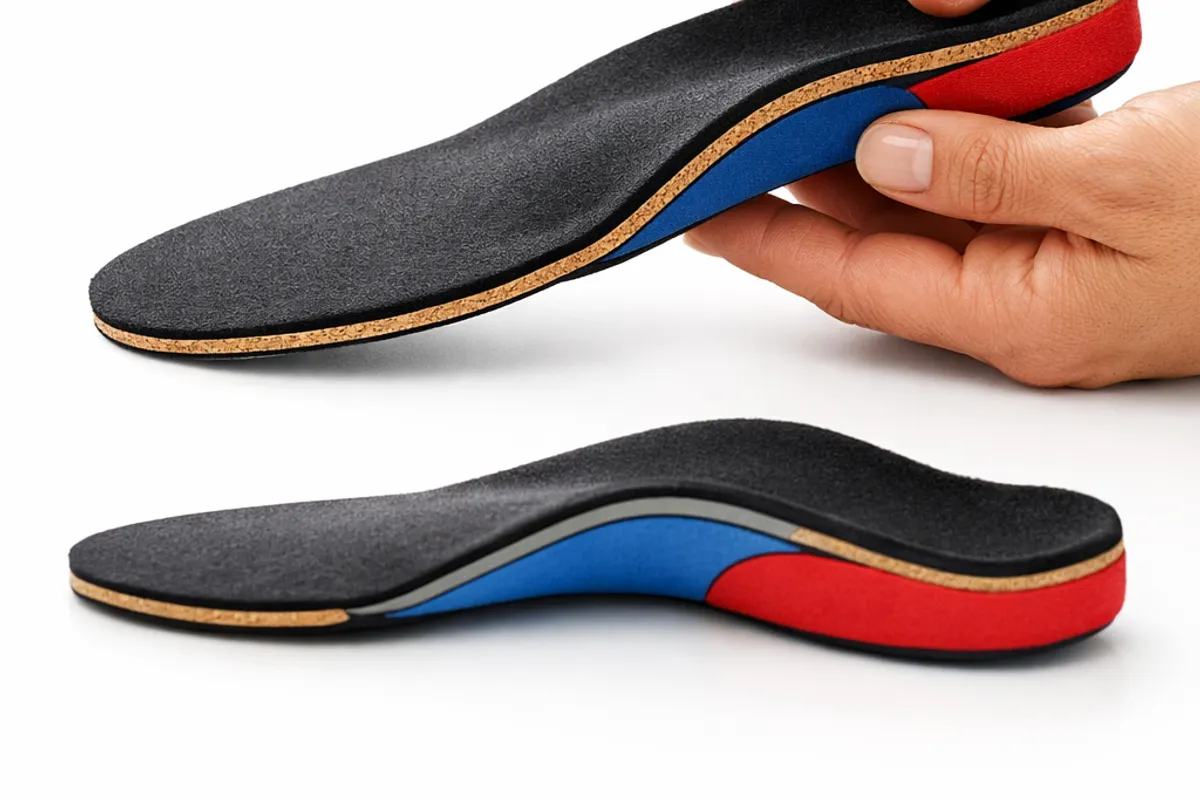
The quality of the finished orthotic is only as good as the information collected before fabrication begins. A thorough assessment covers gait analysis, range of motion at the ankle and subtalar joint, forefoot-to-rearfoot alignment, and a weight-bearing examination of the arch. Some providers also use pressure mapping to identify specific load concentrations. None of this happens in fifteen minutes.
Patients in Barrie, ON sometimes book with whoever can see them fastest, which is understandable when you are in pain. Speed is not the same as efficiency. A rushed assessment produces a rushed cast or scan, and the resulting device reflects that. The orthotic fitting and casting process is the foundation of the entire outcome. Shortcut it, and the device built on top of that foundation is compromised from day one.
Ask any provider you are considering how long the initial appointment runs. Anything under forty-five minutes for a full lower limb assessment is worth questioning. Some complex presentations, including those involving knee or hip involvement, genuinely require more time than that.
For a closer look at how the process unfolds from start to finish, this overview of how custom orthotics are made in Barrie walks through each stage in plain language.
Choosing Based on Price Alone
Custom orthotics in Canada range widely in price. A realistic range for a quality custom device sits somewhere between $400 and $600 before any insurance coverage. Providers offering devices at $200 or below are almost always using semi-custom or prefab-plus products, not true custom fabrication. That is not automatically wrong, but patients should know what they are buying.
At the same time, the highest price does not guarantee the best outcome. What matters is what is included. Does the fee cover follow-up adjustments? Most quality devices require at least one modification appointment after the patient has worn them for two to three weeks. Grinding down a heel cup or adding a metatarsal pad costs the lab time and materials. Some providers absorb this; others charge separately. Find out before you commit.
Extended health plans typically cover custom orthotics under a specific benefit category, and many plans require a prescription from a physician or podiatrist before they will reimburse. Confirming this before your appointment prevents an unpleasant surprise at the billing stage.
Ignoring the Importance of Follow-Through After Fitting
Getting the device is not the end of the process. Breaking in a custom orthotic takes time, typically two to four weeks of graduated wear, starting at two to three hours per day and increasing from there. Patients who ignore this and wear the device for a full workday on day one often develop new discomfort and wrongly conclude the orthotic does not work.
Custom Orthotics Barrie advises clients to keep a short log during the break-in period, noting where and when any pressure or discomfort appears. That information makes the follow-up adjustment appointment far more productive than a vague report of “it feels off.” Specific feedback leads to specific corrections.
Footwear also matters more than most patients expect. A custom device placed inside a shoe with a collapsed heel counter or inadequate depth will underperform. The Barrie, ON area has plenty of retailers who can help match appropriate footwear to the orthotic, but the provider should be able to give basic guidance on what to look for. If they cannot, that is a gap in the service.
For patients across the wider Barrie region, including those coming from surrounding neighbourhoods like Mapleview, this page covers the areas where patients are seenwhich can help confirm whether local access is straightforward.
Custom Orthotics Barrie is a trusted resource for custom orthotics in Barrie, ON, offering the kind of thorough assessment and follow-up that separates a device that genuinely helps from one that simply occupies space in a shoe. Anyone in the area weighing their options will find straightforward, experience-based guidance available through this provider.
Frequently Asked Questions
What should I expect during my initial assessment for custom orthotics?
You can expect a thorough assessment that includes gait analysis, range of motion tests, and alignment checks. This process typically takes at least forty-five minutes to ensure all relevant information is collected before creating your custom device.
How much do custom orthotics typically cost in Canada?
Quality custom orthotics usually range between $400 and $600 before any insurance coverage. Providers offering devices at $200 or below are likely using semi-custom or prefabricated products, which may not address your specific needs.
What common mistakes should I avoid when choosing a custom orthotics provider?
Avoid treating all orthotics as the same, as prefabricated insoles are not equivalent to custom devices. Also, don’t rush through the assessment process or choose a provider based solely on price; both can lead to ineffective solutions.
How important is follow-up after receiving my custom orthotics?
Follow-up is crucial, as breaking in your custom orthotics typically takes two to four weeks. Keeping a log of any discomfort during this period can help your provider make necessary adjustments for better results.